Concrete Work That Holds Up to Home Use
Residential Services in Tyler for homeowners needing driveways, foundations, slabs, and repairs that prevent further deterioration
Cracked driveways, settling slabs, and deteriorating sidewalks create tripping hazards and drainage problems that worsen with each rain event. Dollar Concrete provides residential concrete services including driveways, slabs, sidewalks, foundations, parking pads, curb and gutter work, concrete removal, and concrete repairs throughout Tyler. When existing concrete shows spalling, deep cracks, or sections that have settled away from the foundation, the service addresses what caused the failure before replacing or repairing the surface so the same problem doesn't recur within a few seasons.
Residential concrete projects start with evaluating the base and drainage conditions that affect longevity. A driveway that cracks repeatedly often sits over poorly compacted fill or lacks proper slope to move water away from the slab, while foundation work requires verifying soil stability before pouring. Each project type uses different concrete specifications; a decorative walkway doesn't need the same thickness as a driveway supporting two vehicles daily, and slab foundations require reinforcement schedules that prevent cracking as the structure settles.
Arrange an on-site consultation to identify what's causing your concrete problems and determine whether repair or replacement makes sense for your situation.
How Residential Concrete Addresses Common Property Problems
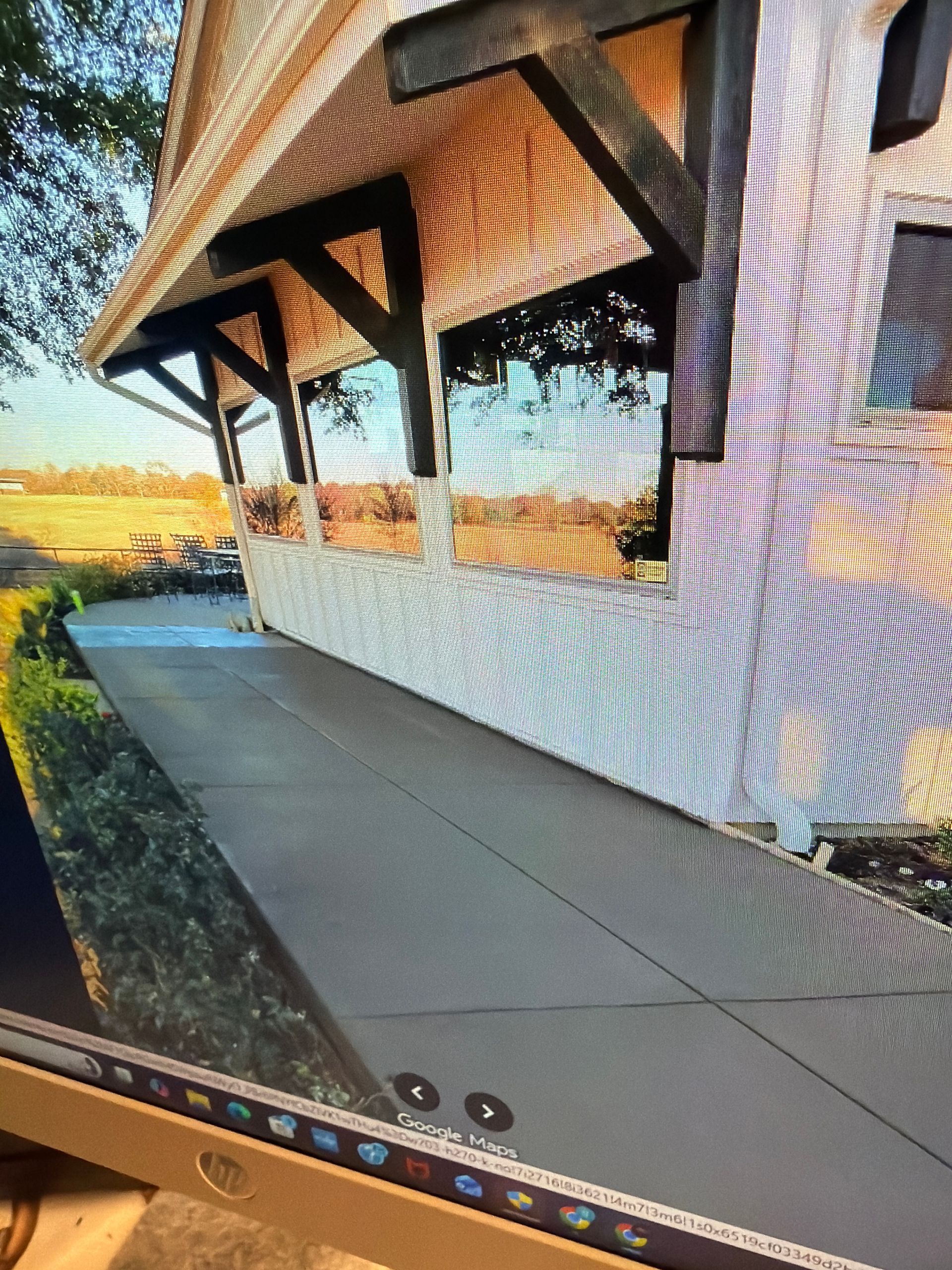
The residential concrete process involves removing failed sections, preparing the subgrade with proper compaction, installing forms that establish correct slope and drainage, and pouring concrete mixed for the specific application. Driveway work includes cutting control joints that direct cracking to planned locations rather than allowing random fractures, while sidewalk installation requires forming expansion joints where concrete meets existing structures. Foundation slabs involve coordinating plumbing and electrical rough-ins before the pour, since those systems run beneath the concrete and cannot be accessed once the slab cures.
After residential concrete work completes, driveways sit level without the dips that collect water, slabs provide stable flooring without the cracks that signal foundation movement, and sidewalks remain even without edges lifting to create trip points. Water flows off surfaces toward drainage areas instead of pooling against your home's foundation, and repaired sections match surrounding concrete in height so you don't catch mower blades or create uneven transitions between old and new work.
Concrete removal becomes part of many residential projects when existing slabs have deteriorated beyond repair or settled in ways that make leveling impractical. Parking lot repairs for residential properties typically involve replacing sections where vehicles enter from the street, since those transition areas take the most impact stress. Curb and gutter work often ties into driveway projects, ensuring water management works across the entire property rather than fixing one area while leaving drainage problems elsewhere.
Common Questions About This Service
Homeowners frequently ask about timing, project scope, and how to determine whether concrete problems require repair or full replacement. These questions help clarify what to expect when planning residential concrete work.
What causes driveways to crack within a few years of installation?
Premature cracking usually results from inadequate base preparation, pouring concrete too thin for vehicle loads, or skipping control joints that manage natural shrinkage stress, which means the concrete fails from structural issues rather than normal aging.
How does foundation slab work differ from regular concrete pours?
Foundation slabs require engineered thickness, continuous perimeter reinforcement, and coordination with post-tension cables or rebar grids that prevent cracking as the building load distributes across the slab, making them far more complex than simple flatwork.
When does concrete repair make more sense than replacement?
Repairs work effectively when damage remains localized to specific sections and the surrounding concrete still shows structural integrity, but widespread cracking or settling across most of the slab makes replacement more practical than patching multiple areas that will likely fail again.
What should I expect during concrete removal?
Concrete removal involves saw-cutting sections to manageable sizes, breaking them with pneumatic hammers, and hauling away debris, which generates significant noise and dust for several hours but clears the area for proper base preparation before new concrete goes in.
How do Tyler's soil conditions affect residential concrete projects?
Tyler's clay soils expand when wet and contract during dry periods, creating movement that stresses concrete, which is why proper base preparation and adequate slab thickness matter more here than in areas with stable sandy soils that drain quickly and shift less.
Dollar Concrete handles the full range of residential concrete needs, from driveway replacements to foundation slabs and targeted repairs. Contact us to schedule a property review and get a detailed estimate based on your specific concrete conditions and project goals.